

UNCORK J
Experience a feast for the senses
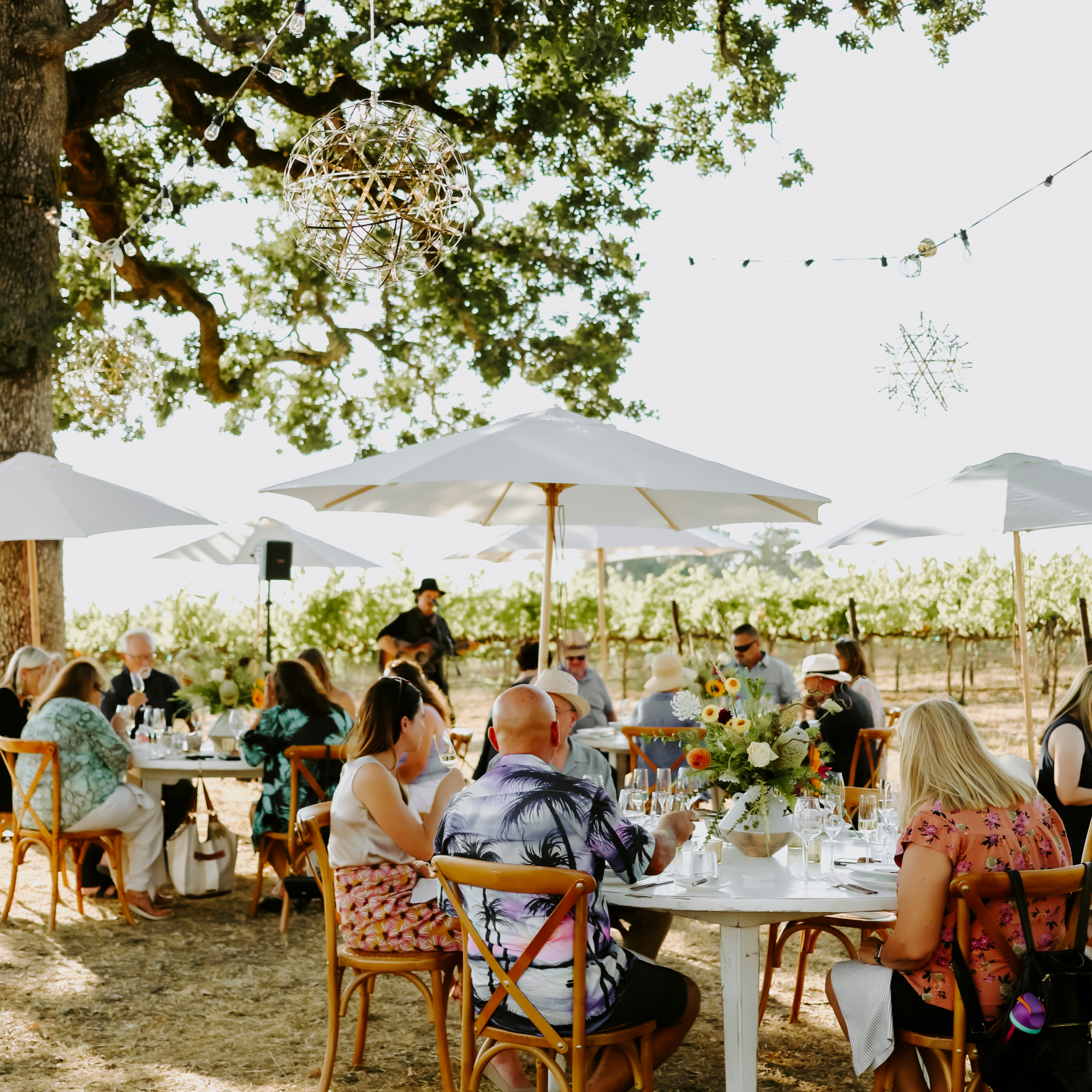
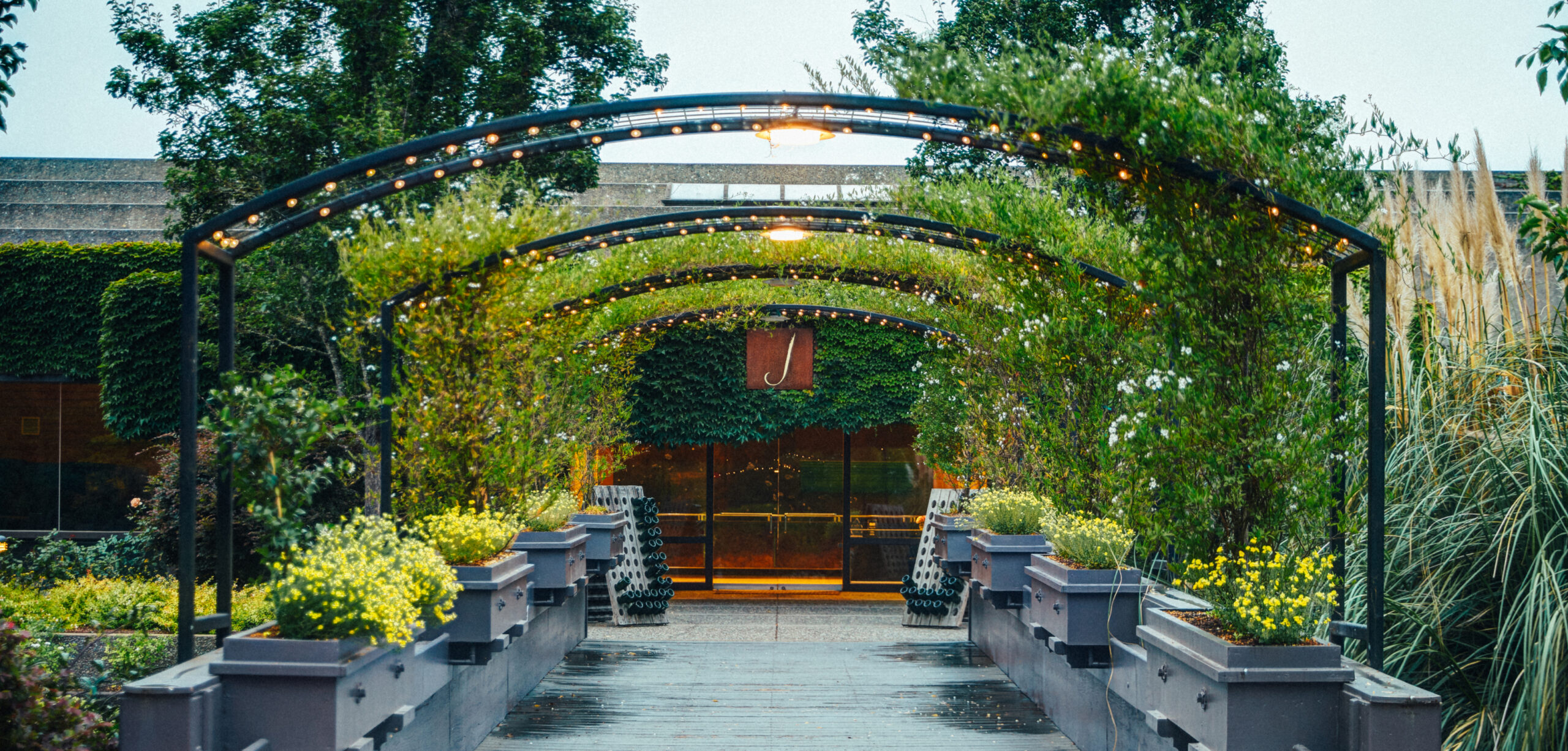
We were founded on a sense of place that still fuels us. The abundant beauty of Russian River Valley inspires our passion for expressing this land in extraordinary sparkling and still wines. We strive to forever change how you view food pairings through our renowned culinary program. While we bring something new to the table for every tasting, event, and once-in-a-lifetime experience, our warm and welcoming hospitality never changes. We never settle in our pursuit of sensational interplays between food and the elegant wines this land produces—always pushing limits to discover what’s possible. Because while the storied soils of our Russian River Valley and Sonoma Coast estate vineyards have been forming for millions of years, we’re just getting started.
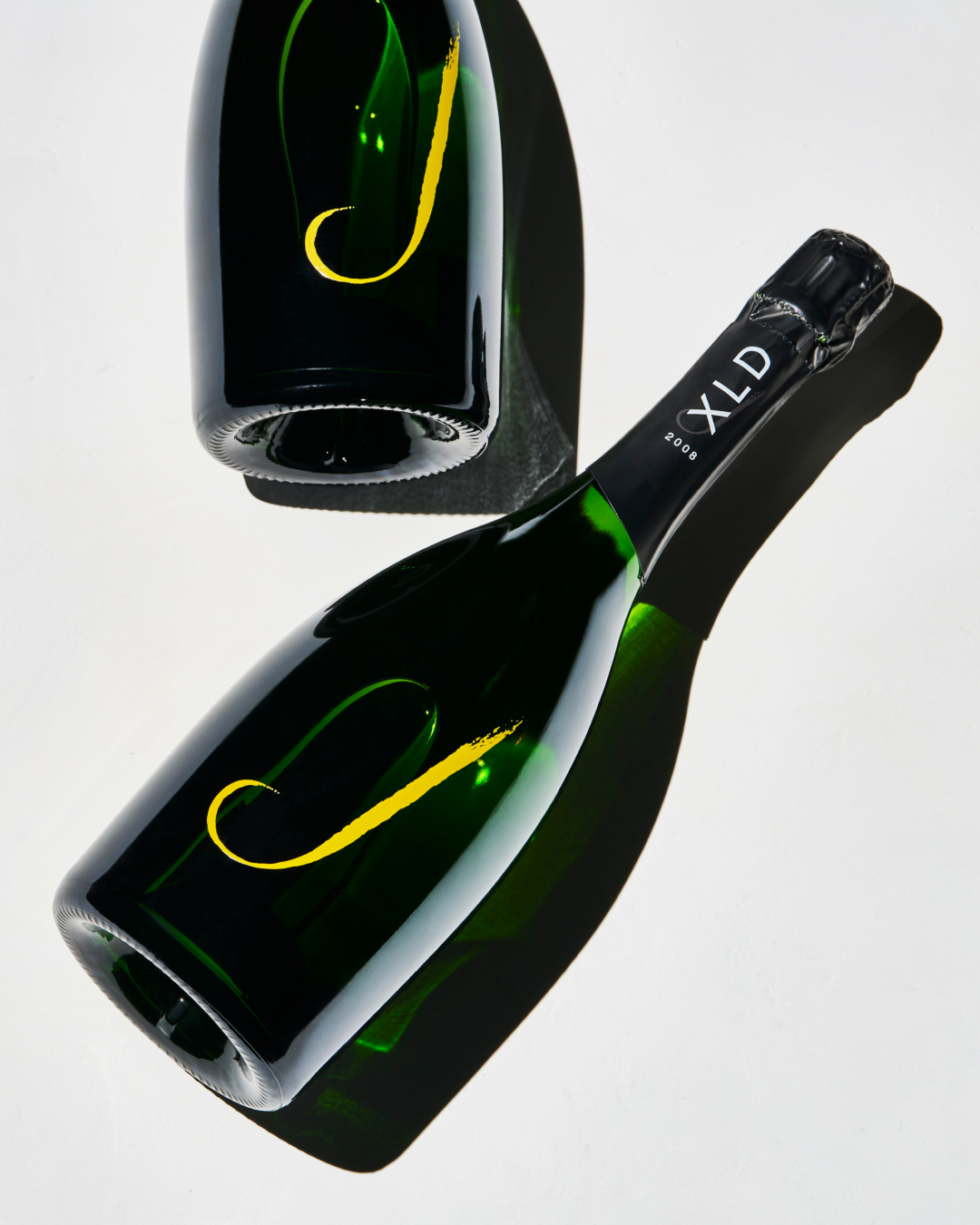
OUR PORTFOLIO
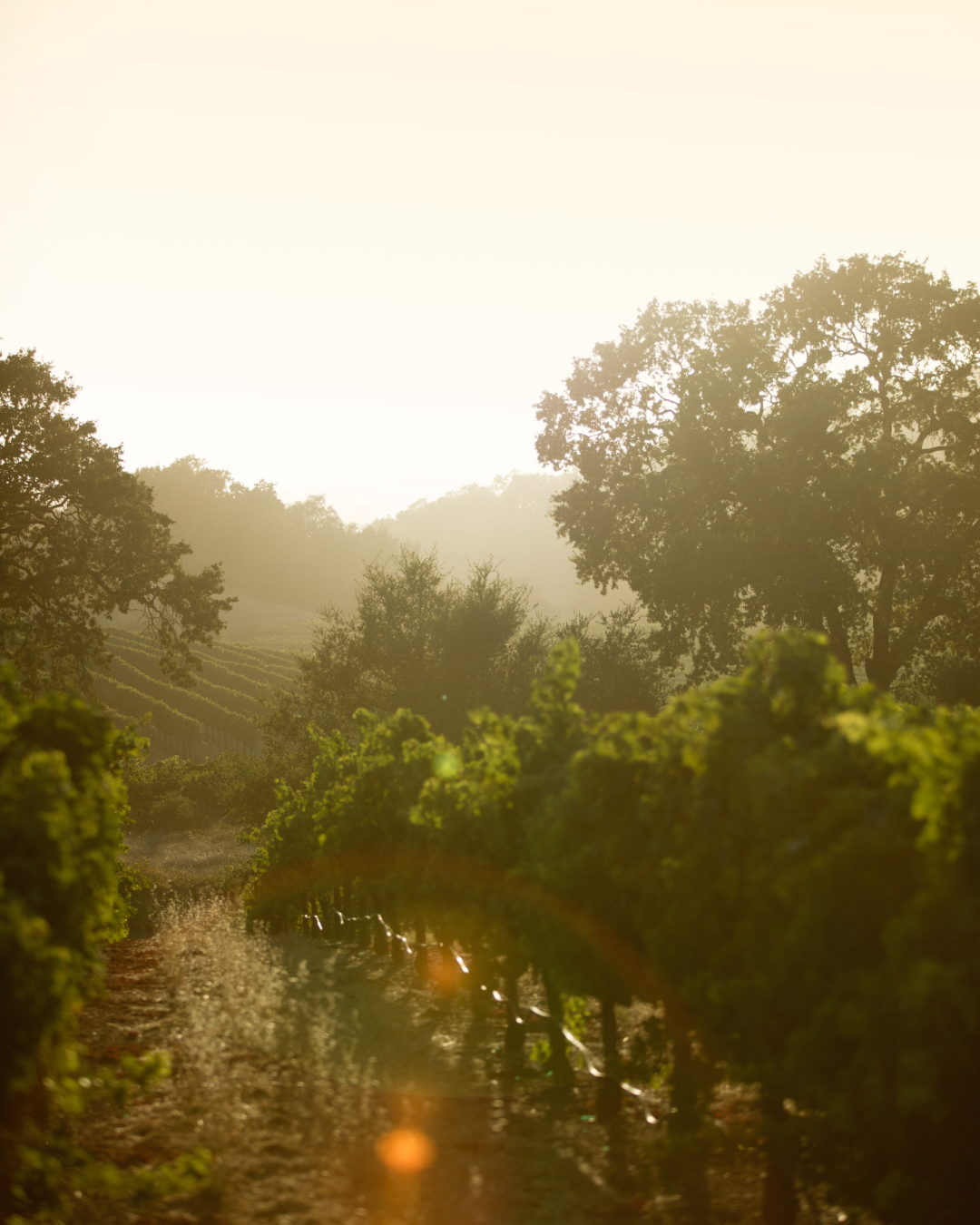
THE WINERY
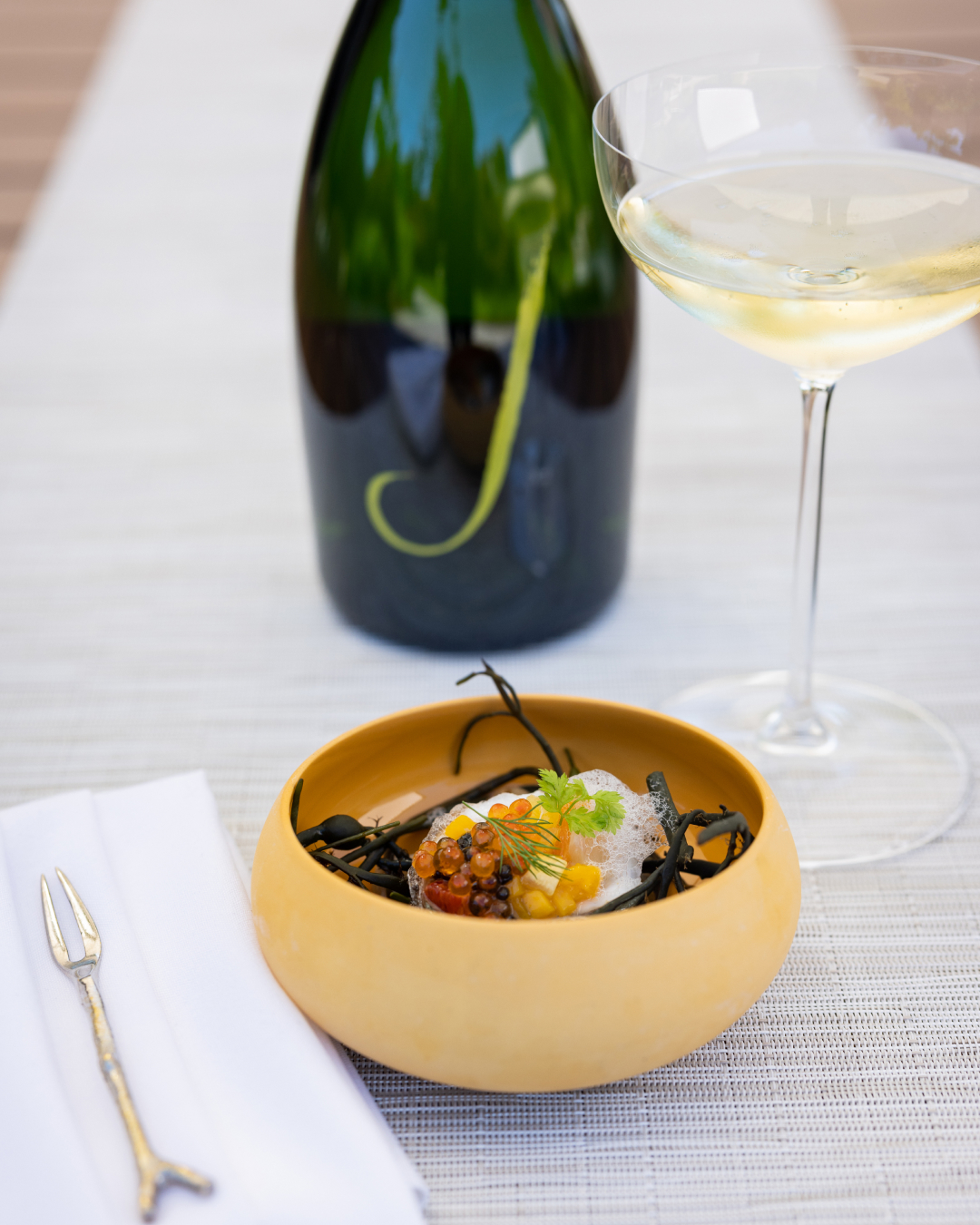
ACCLAIMED EVENTS
New Wines are Blooming This Spring
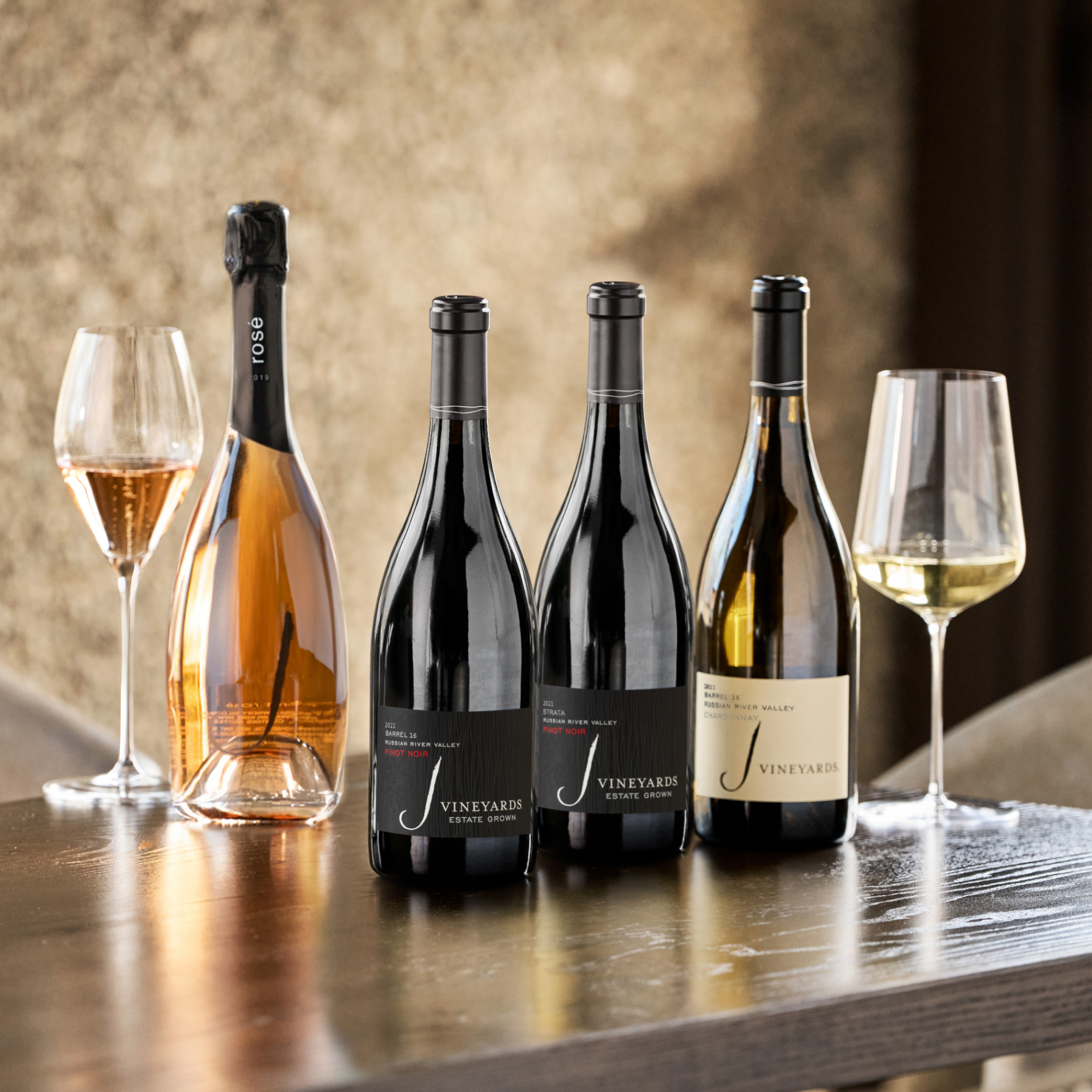
Pair the warm breezes and luscious greenery of spring with new wines that are just as beautiful. New releases like these sell out quickly — secure your wines today.
2019 Vintage Brut Rosé
2021 Barrel 16 Pinot Noir
2021 STRATA Pinot Noir
2021 Barrel 16 Chardonnay
EXPLORE THE J LIFE
THE BEAUTY OF J
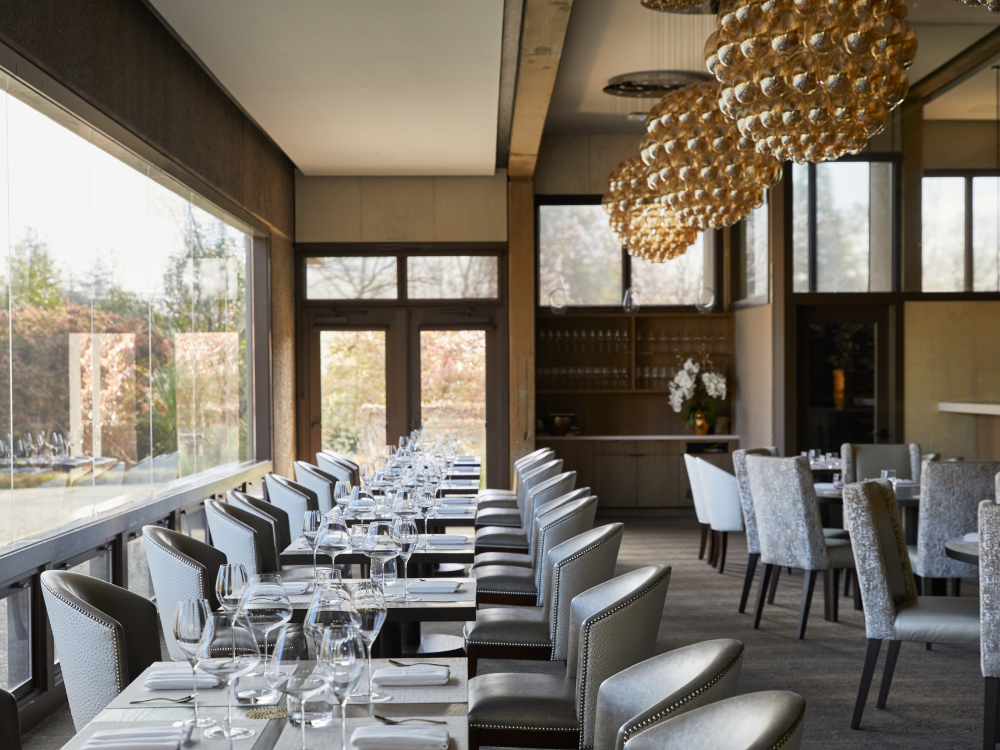
There’s MORE TO EXPERIENCE AT J
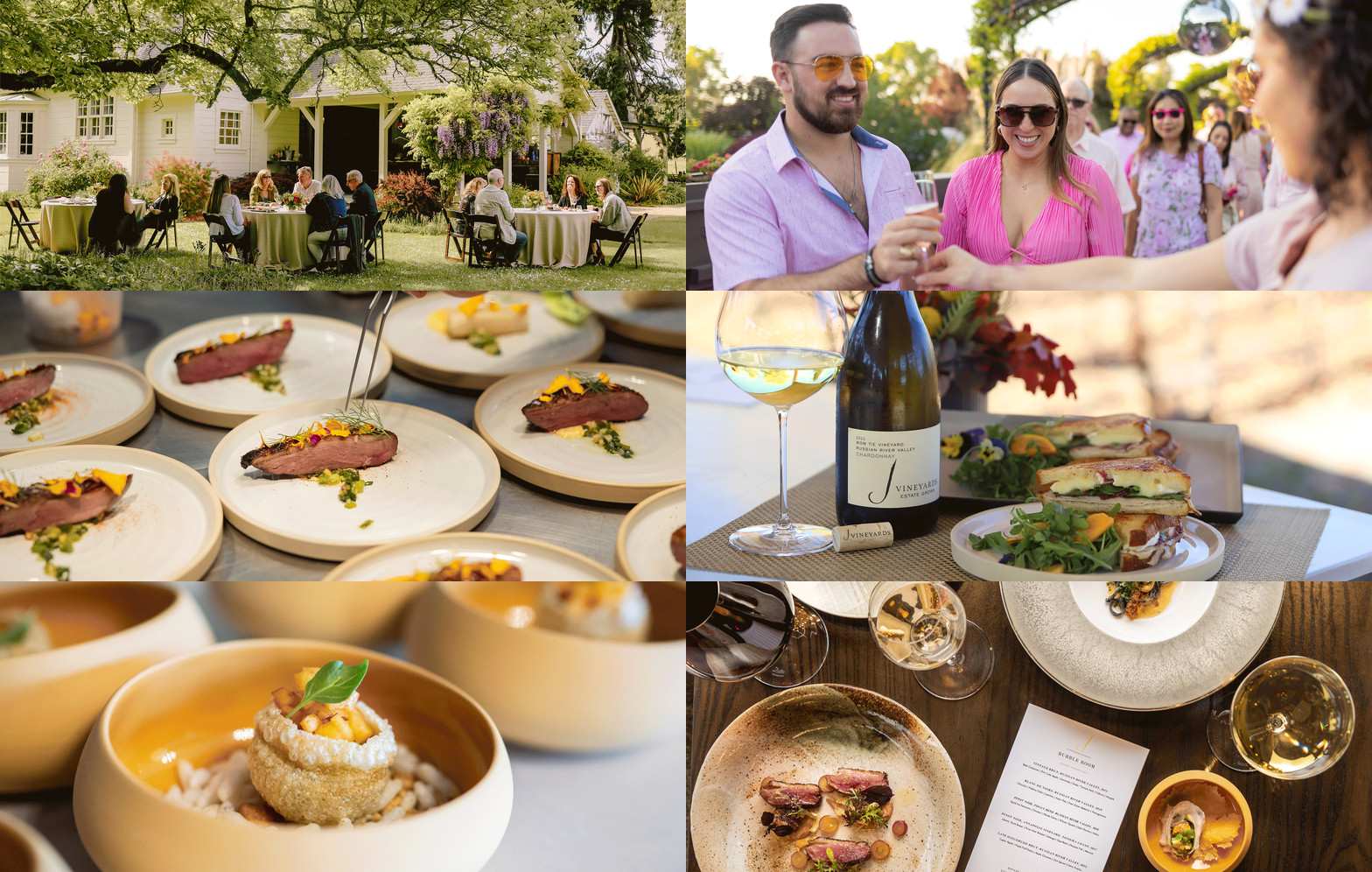
At J, a new experience is always on the menu — whether it’s our critically acclaimed Shifting the Lens culinary series, an Exploration of Caviar in the Bubble Room or a new release party for Club J members.
NEVER MISS A NEW RELEASE
Club J members get early access to new releases, and so much more…